Handbag Maintenance Guide: Longevity and Maintenance Tips
Handbags transcend simple accessory status; they constitute investments requiring thoughtful maintenance. Correct upkeep and preservation can substantially increase their durability. From the right storage environment to routine cleaning, each aspect plays an essential role in preserving their quality. Learning how to defend against damage and wear is imperative. As you evaluate these considerations, the value of resolving damage swiftly becomes more obvious. What actions can individuals adopt to maintain their handbags in immaculate condition?
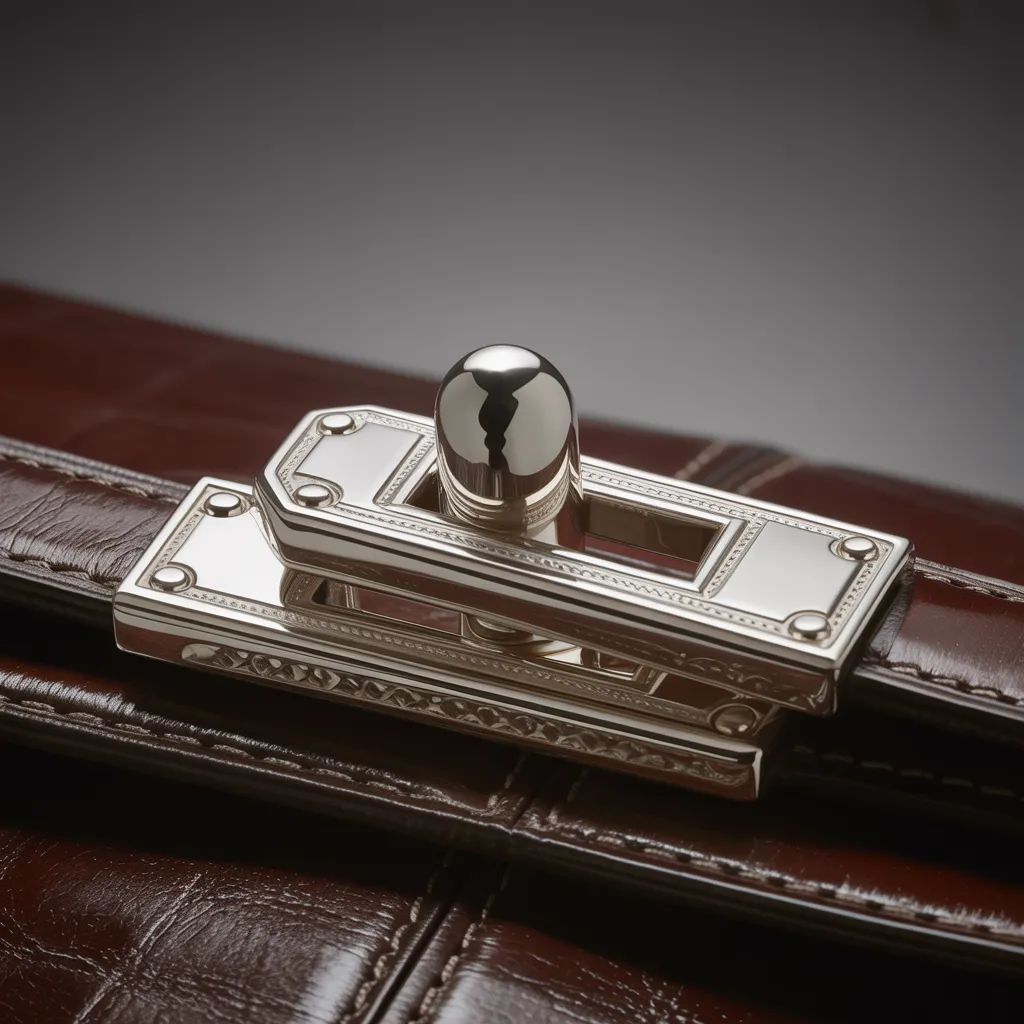
Picking the Ideal Storage Environment
Picking the right storage environment for handbags is vital to maintaining their condition and longevity. Handbags should be stored in a cool and dry area away from direct sunlight, as exposure can cause fading and damage to materials. Humidity levels should be regulated, as too much moisture can result in mold and mildew, especially in leather bags.
Appropriate storage involves utilizing dust bags or breathable fabric covers to shield handbags from dust and scratches. It is advisable to avoid overcrowding them, as this can change their shape and structure. Moreover, placing handbags upright with stuffed interiors can help retain their form. For bags with delicate embellishments, extra care should be taken to make certain they are not pressed against other items. By thoughtfully selecting the storage environment, one can significantly extend the lifespan of their handbags, preserving both their aesthetic and functional qualities.
Standard Maintenance and Servicing
Regular maintenance and cleaning are necessary for keeping the aesthetic appeal and lifespan of handbags. Accumulated dirt and dust over time, weakening the appearance and damaging its integrity. To preserve a handbag's immaculate state, it is best to perform regular dusting with a gentle, dry fabric. For thorough cleaning, certain materials might need particular methods; leather handbags, for example, thrive with a wet cloth combined with a quality conditioning treatment to keep the material supple.
Moreover, inspecting the handbag for spots or spills should be a routine practice. Dealing with these quickly can avert permanent damage. For textile bags, a mild fabric cleaner may be utilized, while suede should be treated with a brush designed for its delicate surface. Last but not least, ensuring that clasps and zippers operate smoothly is essential; regular checks can help avert future repairs. By adopting these practices into a regular maintenance routine, the handbag will remain attractive and practical for years to try now come.
Safeguarding Against General Wear
Handbags are prone to deterioration, especially if used frequently. To preserve these purchases, users should take protective steps. To begin with, opting for suitable materials is vital; opting for durable fabrics or leather can enhance longevity. Additionally, using a protective dust bag during storage can shield it from dust and scratches.
Consistently inspecting and cleaning the handbag also serves an important purpose. This includes using a soft cloth to wipe the exterior and remove dirt and debris. It's important for owners to avoid overloading their bags, as excess weight may damage seams and handles.
Moreover, paying attention to environmental factors, such as extreme temperatures and humidity, can avoid deterioration. Last but not least, employing bag organizers assists in keep shape and structure, minimizing the risk of creasing or deformity. By taking these protective steps, handbag owners can greatly extend the lifespan of their treasured accessories.
Addressing Damage Immediately
Handling damage quickly is critical for upholding the integrity of a handbag. When a handbag sustains scratches, tears, or stains, prompt attention can prevent further deterioration. Ignoring slight issues may result in more serious problems, such as structural weakening or permanent discoloration.
For instance, a small scratch can often be remedied with specialized leather creams or conditioners, while a tear may need a professional repair. Stains should be treated using appropriate cleaning solutions specific to the handbag's material, as using the wrong product can aggravate the problem.
Regular inspections of the handbag can help detect damage early, enabling timely intervention. Moreover, keeping the handbag stored properly can lower the risk of damage from environmental factors. By prioritizing prompt repairs and maintenance, handbag owners can extend the lifespan of their accessories and preserve their aesthetic appeal, ensuring they remain a cherished part of their collection.
Organizing and Handling Information
While many may overlook the significance of arranging the contents of a handbag, doing so can considerably increase both functionality and ease of access. A properly arranged handbag helps the owner to quickly locate essential items, minimizing frustration during daily tasks. Using pouches or small organizers can help compartmentalize items such as cosmetics, wallets, and keys, preventing them from becoming mixed up or misplaced.
Routinely assessing the contents is necessary; unneeded belongings should be eliminated to preserve a lightweight and manageable bag. Designating specific spots for often utilized items cultivates a habit of returning them to their proper location, ensuring they are always easily accessible. Moreover, using a consistent system, such as organizing by color or organizing by scale, can additionally streamline the organization process. By prioritizing organization, handbag owners can not only boost their daily efficiency but also increase the lifespan of their accessories by reducing wear and tear related to messy contents.
Popular Questions
How Often Should I Rotate My Handbags for Even Wear?
Specialists advise rotating handbags every few weeks to encourage even wear. This practice prevents excessive strain on specific bags, protecting their shape and longevity while delivering a varied style experience that complements various outfits.
Is It Possible to Use Leather Conditioner on Every Type of Handbags?
Leather conditioner works well on genuine leather handbags, enhancing their softness and preservation. Nevertheless, it should be kept away from non-leather materials like canvas or synthetic fabrics, as it may damage their integrity and look.
Should You Store Handbags in Plastic Bags?
It's generally not recommended to store handbags in plastic bags, as this can trap moisture and lead to mold or mildew. Instead, fabric dust bags that breathe are preferred for preserving the quality and lifespan of the handbags.
What Method Should I Use to Remove Stubborn Stains From My Handbag?
To remove stubborn stains from a handbag, carefully dab the area with a soft cloth and a proper cleaner. Check the solution on a concealed spot first to stop damaging the material. Patience is essential.
What Can I Do About a Bad-Smelling Handbag?
To eliminate foul odors from a handbag, one should empty it, wipe the interior with a soft cleaner, and put odor-neutralizing materials like baking soda or activated charcoal inside, letting it to breathe thoroughly.